
Living the Pattern: Anchored Faithfulness in the Midst of Exile
- Dave Miller

- Jul 2, 2025
- 4 min read
by Dave Miller

In the book of Revelation, the phrase “a time, times, and half a time” (Rev. 12:14) reveals more than just a mysterious chronology—it unveils a deeply rooted pattern in how God unfolds history. This tri-fold phrase is not arbitrary. It reflects the covenantal rhythm of God’s self-revelation across time: a model, its repetition, and then its fulfillment.
This isn’t just about prophecy—it’s about how to live. When we see this divine pattern clearly, we can faithfully participate in God’s work without being tossed by the chaos of every cultural wave or burdened by an overzealous version of radical spirituality. In this blog, we’ll explore how the exile letter of Jeremiah 29 mirrors this pattern and offers a sustainable, hopeful blueprint for the church today.
A Time, Times, and Half a Time: God’s Pattern of Revelation
The phrase “time, times, and half a time” represents more than duration—it reflects how God progressively makes Himself known:
A Time: The original pattern or model. A type is given—such as Zion and Babylon in Jeremiah’s time.
Times: The repetition of the pattern. As history unfolds, these archetypes echo forward—Zion becomes the faithful remnant, Babylon becomes every empire opposed to God.
Half a Time: The final fulfillment. The anti-type. In Revelation 12, Babylon is fully exposed as Satan and his fallen dominion, while Zion is revealed as the Kingdom of God, the faithful covenantal people of God, protected and nourished by the Father under the Lordship of Jesus.
This triadic unfolding shows that history is not chaotic. It is covenantal. It follows a pattern—anchored in God’s faithfulness and culminating in His final redemption.
Jeremiah 29: Zion in Babylon—The Exile Pattern
In Jeremiah 29, God speaks through the prophet to His people living in Babylon. This is not just an isolated historical event—it is the “time”, the original pattern. God’s people, exiled among the nations, are instructed not to revolt, not to isolate, and not to despair. Instead, they are called to:
Build houses
Plant gardens
Raise families
Seek the welfare of the city
In short, they are to live as Zion within Babylon—holy exiles living covenantally in the midst of a hostile culture. This becomes the “times” that repeat in the life of the church, which lives in the already-not-yet tension. We are citizens of the New Jerusalem, yet we live among the nations.
And one day, the “half a time” will arrive—the final return, when the faithful bride is united fully with Christ in the New Jerusalem, the perfected Zion. Until then, Jeremiah 29 offers the model of how to live.
Zion in Babylon: Then and Now
There is, however, one essential difference between the exiles in Jeremiah’s day and the followers of Jesus today.
The Israelites in Babylon were told, “70 years”—a concrete timeline. That clarity gave them a season. And most people can endure something difficult if they know when it will end or what fruit it will bear.
But Jesus didn’t give His followers a timeframe. Instead, He said, “I am coming soon.” And two thousand years later, “soon” can feel blurry. When hardship has no clear endpoint, our motivation to endure begins to waver. The question shifts from how long to why even keep going?
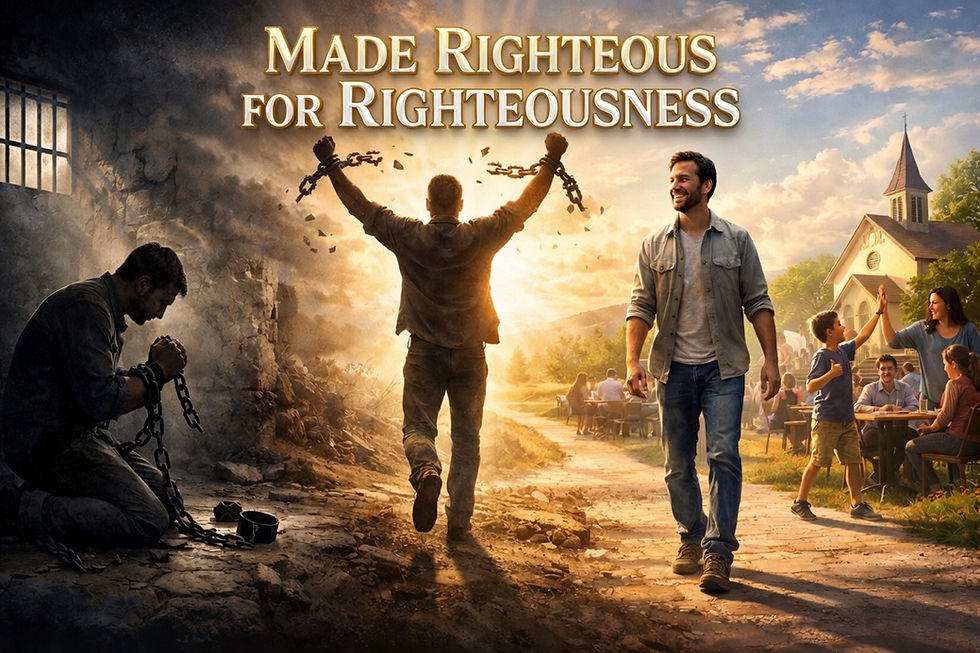
But here is where the gospel radically redefines exile. Because of the Holy Spirit, we aren’t merely waiting—we are already made new. We do not just long for the Kingdom; we live in it now. We don’t simply speak of a plan for hope—we embody it. In the same way the exiles were told to bless Babylon, we now proclaim and display the kingdom of God to our Babylon, not just as promise-bearers but as present-day participants.
The King came. His Spirit is with us. And though the return is not yet, the eternal reign has begun. So we proclaim a better way, a promised home, a living hope—not just for one day, but for today.
Why This Pattern Matters
This biblical pattern gives us something the modern church desperately needs: an anchor.
In a world driven by frantic urgency, many well-meaning leaders have embraced a rhetoric of radical Christianity intended to provoke a Great Commission fervor. Yet, the unintended consequence unmoors believers from the covenantal pattern. They preach urgency without endurance. The result? Burned out leaders, guilty followers, and a culture of intensity that cannot be sustained. We end up chasing spiritual fireworks, but grasping for covenantal roots. In fact, if we are not careful, we end up promoting two soils that don't produce 30,60, or 100 fold, the exact opposite of our intentions.
Jeremiah 29 gives us the opposite approach. Not passivity. Not retreat. But faithful, rooted engagement with the world around us—because our hope isn’t in the culture, it’s in the covenant. We’re called to live, move, and have our being within the boundaries God has set (Acts 17:28), expanding His kingdom not through impulsive bursts but through enduring, generational faithfulness.
Contentment in Exile, Hope in Return
The call to bless Babylon is not a compromise—it’s a strategy. As Jeremiah writes: “Seek the welfare of the city… for in its welfare you will find your welfare” (Jer. 29:7). That’s not assimilation; it’s mission. It’s being the faithful presence of Zion in Babylon.
And that’s exactly what the church is called to be. We live in exile, yes. But we live with purpose, with promise, and with a pattern. The return will come. The New Jerusalem is our home. And until then, we do not need to chase the winds of culture or collapse under the pressure of perfectionism. We anchor our obedience in the promises of God, trusting that His covenant faithfulness is consistent.
Conclusion: Patterned for Endurance
The pattern of time, times, and half a time is not just a prophecy timeline—it’s a lifestyle. It’s the rhythm of God’s revelation and the framework for our faithful response. From Babylon to the New Jerusalem, the people of God are called to live as holy exiles—rooted, hopeful, and fruitful.
Instead of radical bursts that lead to burnout, we’re invited to sustainable, covenantal living that blesses the world and prepares for the final return. Like a bride who prepares for her groom, we wait—not anxiously, but faithfully. The plan is unfolding. The pattern is clear. The return is certain.
So plant gardens. Build houses. Raise children. Seek the good of your city. Tell of your King and invite others to the banquet of His better Kingdom. Because the Bridegroom is coming—and when He does, may He find His people faithful to the New Covenant reality.


Comments